Buying Guides
Lithium-Ion vs Lead-Acid Forklift Batteries: Which Is Right for Your Warehouse?
Compare lithium-ion and lead-acid forklift batteries on charging, lifespan, maintenance and total cost for single- or multi-shift warehouses.
Introduction
When buyers compare electric forklifts, they usually focus on the truck first. In our guide to Electric Forklift vs Diesel Forklift, we explained why electric trucks suit indoor warehouses. But once you choose an electric forklift, a second decision often costs more over its life than the price difference between trucks: the battery. A lead-acid pack and a lithium-ion pack can change your charging routine, maintenance schedule, floor space, labor cost and replacement timing. This guide compares both options in plain terms so dealers and warehouse managers can match the battery to the shift pattern, not the other way around.
Lead-Acid Forklift Batteries: Pros and Cons
Lead-acid has been the traditional choice for electric forklifts for decades, and it remains popular for good reasons. Its biggest advantage is a lower upfront cost. A lead-acid battery usually costs significantly less than an equivalent lithium-ion pack, which keeps the total purchase price of the truck down. For dealers selling into price-sensitive markets, or warehouses buying a small fleet for one shift, that lower entry price is hard to ignore. Lead-acid batteries are also widely available, easy to source in many regions, and supported by a large network of service providers who know the technology well.
The trade-offs appear in daily operation. Lead-acid batteries need regular watering, because water evaporates during charging and must be topped up to protect the plates. They also need equalizing charges, a longer balancing charge that helps keep cells even, plus routine cleaning and inspection. Skip this maintenance and capacity falls quickly. Charging is slow as well: a typical lead-acid battery needs around eight hours of charging plus a cooling period, so it cannot simply be topped up during a lunch break. For multi-shift work, warehouses often need a second battery and a swap, or a battery room with charging racks, ventilation and handling equipment. That space and labor cost is easy to underestimate when only the battery price is compared.
Lithium-Ion Forklift Batteries: Pros and Cons
Lithium-ion batteries take the opposite approach. Their headline benefit is opportunity charging: the battery can be charged for short periods during breaks, shift changes or idle moments, without the damage that partial charging causes in lead-acid. A lithium pack can typically be fully charged in one to three hours, depending on charger size, and it holds a more consistent voltage as it discharges, so the truck keeps its performance until the end of the shift. Lithium batteries are also maintenance-free in the lead-acid sense: no watering, no equalizing charges and no acid handling. They last two to three times as many charge cycles, often 3,000 cycles or more, and they remove the need for a dedicated battery room because charging can happen safely beside the truck.
The main drawback is the higher upfront price. A lithium-ion battery can cost roughly twice as much as a lead-acid equivalent, and the charger may also be more expensive. Buyers should also check warranty terms, charger compatibility and the reputation of the battery supplier, because not all lithium packs are equal. For a warehouse running a single short shift with plenty of overnight charging time, that premium may take years to pay back. The economics change quickly, however, when labor, downtime and battery replacement are counted, which is why total cost of ownership matters more than the invoice price.
Lithium-Ion vs Lead-Acid: Comparison Table
Charging time: lead-acid needs about 8 hours plus cooling, while lithium-ion charges in 1-3 hours and supports opportunity charging. Lifespan: lead-acid lasts about 1,500 cycles, while lithium-ion lasts 3,000 cycles or more. Maintenance: lead-acid needs watering and equalizing, while lithium-ion needs none. Multi-shift suitability: lead-acid needs a battery swap or a spare battery, while lithium-ion runs all shifts on one battery. Total cost of ownership: lead-acid is cheaper upfront but costs more to run, while lithium-ion costs more upfront but less over its life.
Which Battery Is Right for Your Warehouse?
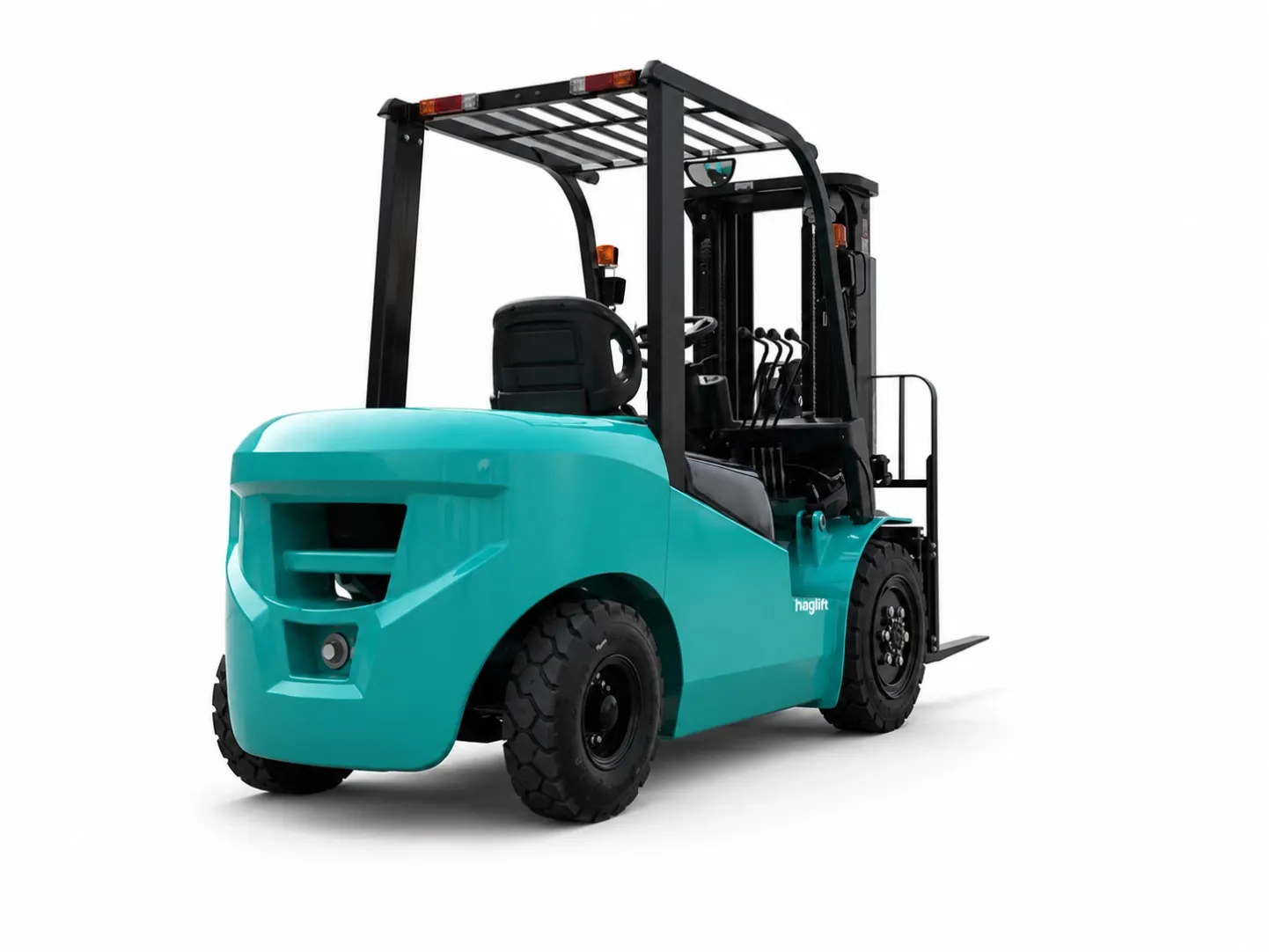
Single shift, light duty: choose lead-acid. If your forklifts work one shift a day, return to a charger overnight and have a quiet charging corner, lead-acid is usually the sensible, budget-friendly choice. Our CPD-30E electric forklift is a counterbalance option that dealers can quote with either battery type, so the battery decision can be matched to each customer's shift pattern at order stage.
Multi-shift and high utilization: choose lithium-ion. If trucks run two or three shifts, or if downtime is expensive, lithium-ion usually wins. Opportunity charging keeps trucks working through breaks, one battery per truck is normally enough, and the longer cycle life spreads the higher purchase price over more years of work. Removing battery swaps also removes a manual handling task and a common source of damage.
Cold storage: check the specification carefully. Lead-acid batteries lose capacity quickly in freezing temperatures and need careful charging management in cold rooms. Lithium-ion batteries also perform differently in the cold, so ask for a pack with low-temperature protection and confirm whether the truck will be charged inside or outside the cold area. Do not assume either chemistry is automatically correct for cold storage without checking the duty cycle.
Tight budget today, higher running costs tomorrow: be honest about the trade-off. Lead-acid protects cash flow now but adds watering labor, charging space and earlier replacement. Lithium-ion asks for more capital upfront but usually lowers operating cost per hour. If you plan to keep the truck for seven to ten years in busy service, lithium-ion often proves cheaper overall. If the truck will be lightly used or replaced sooner, lead-acid may still be the rational choice.
Conclusion
There is no universal winner. Lead-acid remains a proven, affordable battery for single-shift warehouses with charging space and time. Lithium-ion is the stronger tool for multi-shift, high-throughput operations where uptime, labor saving and long cycle life repay the higher purchase price. Start with your shift pattern, count the full cost of charging, maintenance and replacement, and then choose the battery that fits. A forklift is a long-term investment, and the battery you pick on day one will shape its cost every working day after that.
Get a Quote from HAGLIFT
Still deciding between lithium-ion and lead-acid for your warehouse? Tell us your load capacity, lift height, shift pattern and charging space, and we will recommend a complete electric forklift package. Browse our forklift products or contact HAGLIFT today: phone +86 15537419154, WhatsApp https://wa.me/8615537419154, email info@haglift.com.