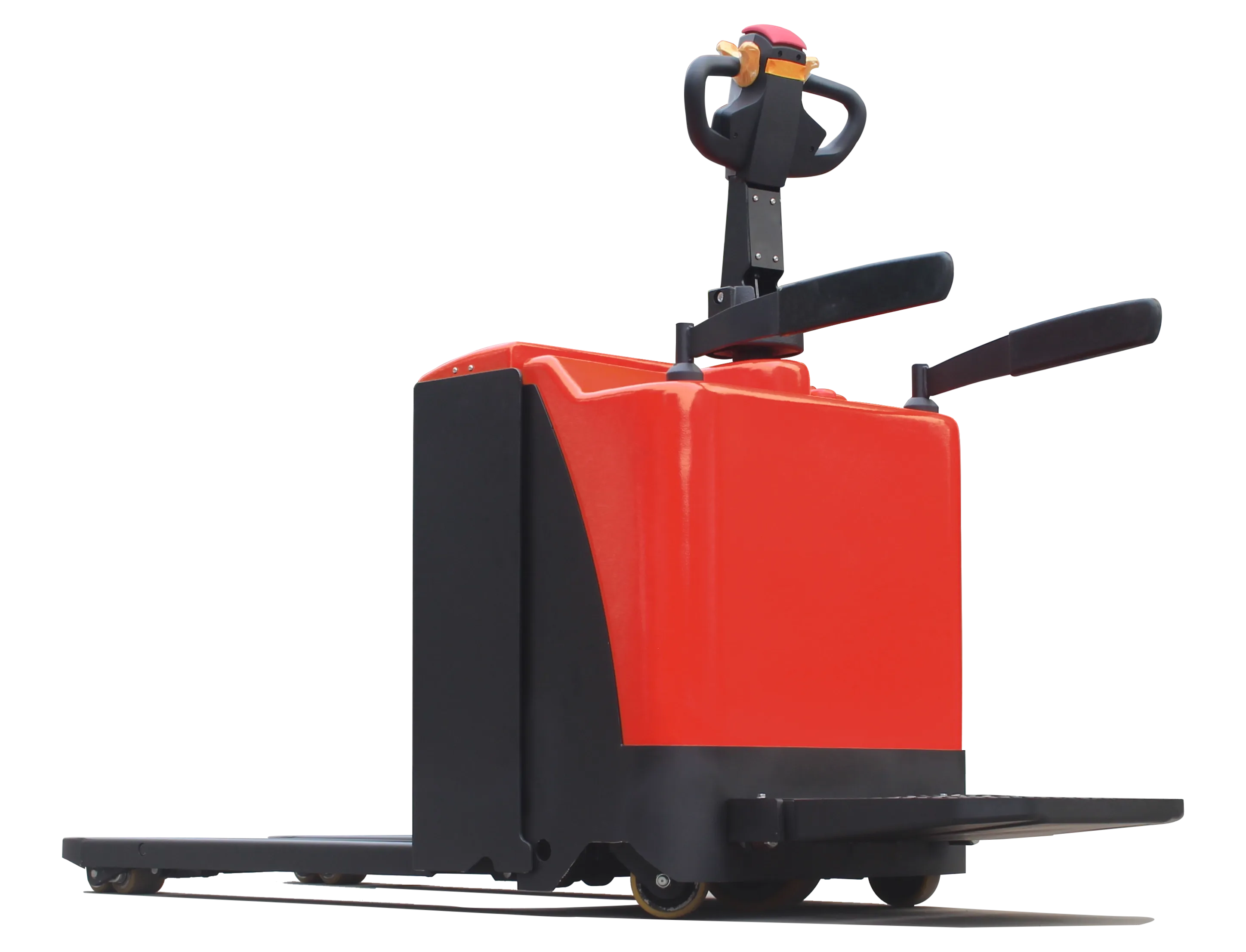
Electric Forklift vs Diesel Forklift: Which Is Right for Your Warehouse?
Compare electric and diesel forklifts on cost, emissions, performance, maintenance and regulations to choose the right truck for your warehouse.
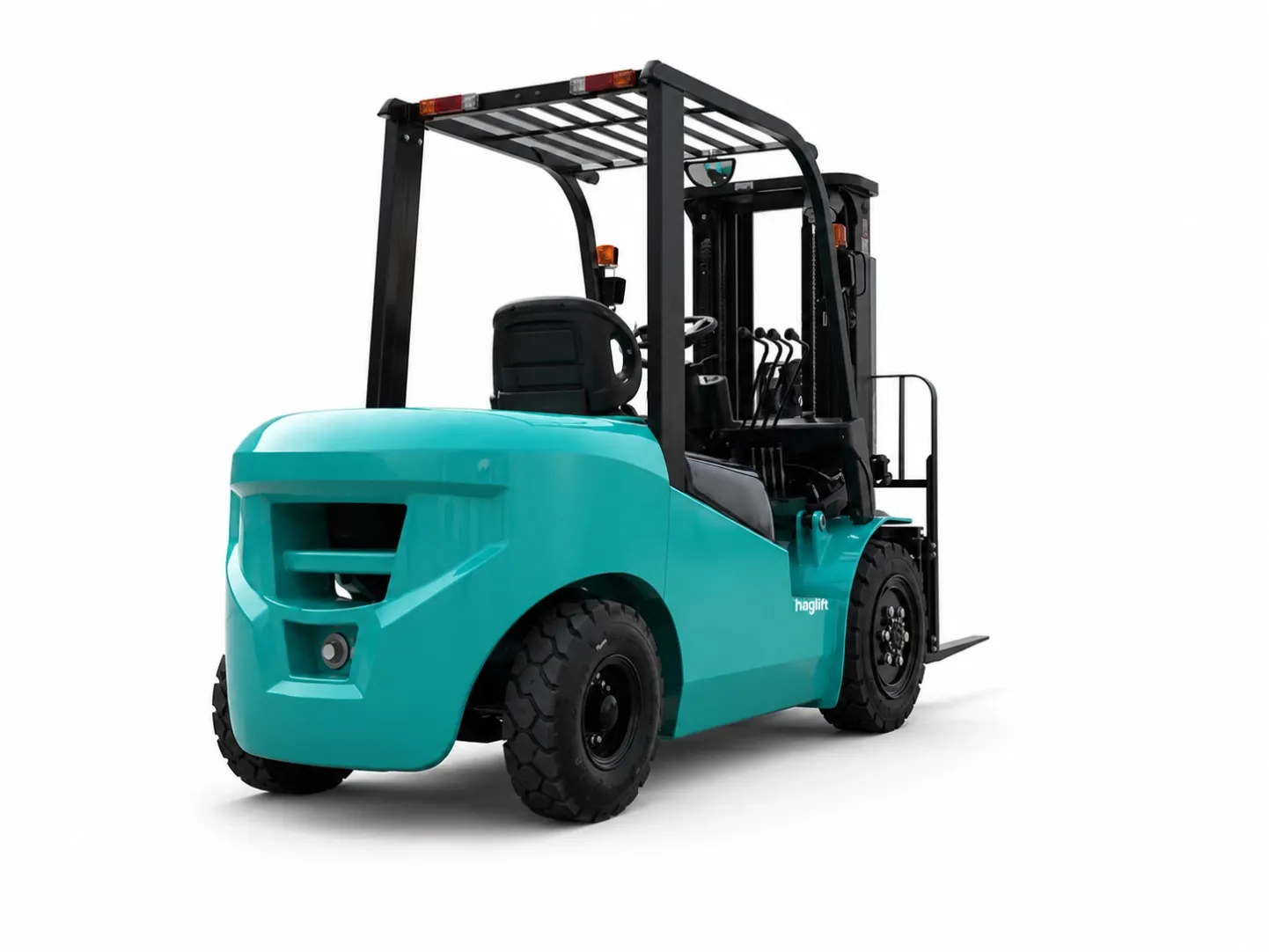
Why the Choice Matters for Warehouses Today
Choosing between an electric forklift and a diesel forklift is one of the most consequential decisions a warehouse manager makes. The truck you buy will shape your operating costs, indoor air quality, noise levels and ability to meet customer and regulatory expectations for years. Electric models have improved rapidly, with lithium batteries, faster charging and higher capacities closing the gap that once made diesel the default for heavy work. Diesel trucks, however, still offer clear advantages in raw outdoor performance and continuous duty. This guide compares the two on total cost, emissions, performance, maintenance, lifespan and regulation trends, then gives a practical verdict by scenario so you can match the right truck to your operation.
Upfront Cost vs Total Cost of Ownership
Purchase price
Diesel forklifts usually cost less to buy than comparable electric models, especially in higher capacity classes. Electric trucks carry the cost of batteries and chargers, and lithium-ion versions sit at the top of the price range. If your budget is fixed and your work is mostly outdoors, that lower entry price can be decisive.
Fuel, electricity and maintenance costs
Total cost of ownership tells a different story over five to ten years. Diesel fuel is a recurring expense that rises with operating hours, and diesel engines need regular oil, filters, belts and exhaust-related service. Electric trucks use cheaper electricity per operating hour and have far fewer moving parts, so routine maintenance is typically lower. Battery replacement or refurbishment is the main long-term electric cost, but lithium batteries are designed for long service lives and opportunity charging. For a truck running one or two shifts indoors, electric usually wins on lifetime cost even when the purchase price is higher.
Indoor vs Outdoor Use
Emissions, ventilation and noise
Inside a warehouse, emissions matter immediately. Diesel exhaust contains carbon monoxide, nitrogen oxides and particulate matter, so indoor diesel operation requires strong ventilation and careful exposure management. Electric forklifts produce zero exhaust at the point of use, which protects workers and stored goods and simplifies compliance in enclosed spaces. Noise is the second indoor factor: electric trucks are noticeably quieter, improving communication, reducing fatigue and making them suitable for night shifts and noise-sensitive environments such as food and pharmaceutical storage.
Outdoors, the balance shifts. Diesel trucks handle rough yards, ramps and uneven surfaces with ease, and their engines are not affected by cold weather in the same way as batteries. Modern electric trucks with pneumatic tyres and weather protection can work outdoors, but diesel remains the traditional choice for demanding yard work.
Performance: Load Capacity, Duty Cycle, Refuelling vs Charging
Modern electric counterbalance forklifts now cover capacities that once belonged exclusively to diesel, including high-capacity electric models for heavy loads. For typical warehouse pallets in the 1.5 to 3.5 tonne range, electric performance is fully competitive, with smooth low-speed control that suits narrow aisles and delicate loads. Diesel still leads where maximum tractive effort, steep gradients and all-day continuous running are required.
Refuel vs charging, including lithium opportunity charging
A diesel truck refuels in minutes and can run around the clock with shift changes. Lead-acid electric trucks need long charging and cooling periods, which can limit multi-shift use. Lithium-ion changes this equation: lithium batteries can be opportunity-charged during breaks, accept partial charges without damage and deliver consistent power throughout the shift. For multi-shift indoor operations, a lithium electric truck can now match diesel availability without a dedicated battery room. For example, the CPD-30E electric forklift is a counterbalance electric option built for warehouse duty, and you can compare it with the full range on our products overview.
Maintenance and Lifespan Comparison
Diesel engines contain hundreds of moving parts, plus fuel, air and exhaust systems that all require scheduled attention. Electric drivetrains are simpler: an electric motor, controller and battery, with brakes, tyres and hydraulics as the main wear items. That simplicity means less downtime, fewer consumables and easier fault diagnosis. On lifespan, a well-maintained diesel truck can run for many years, but engine hours accumulate quickly in multi-shift use. Electric trucks often outlast diesel in indoor duty because there is no engine wear, although battery health must be managed. With lithium batteries and correct charging practice, electric trucks routinely deliver long, predictable service lives with lower maintenance budgets.
Environmental and Workplace Regulations Trend
The regulatory trend is clear: emissions rules are tightening, low-emission zones are expanding, and many customers now audit suppliers on sustainability and workplace exposure. Even where diesel remains legal indoors with ventilation, the direction of travel favours electric. Companies that electrify early avoid retrofit costs, protect worker health and strengthen their position with environmentally conscious buyers. Diesel is not disappearing, particularly for outdoor and heavy industrial work, but its indoor role is shrinking year by year.
Verdict: Which to Choose by Scenario
Indoor warehouse, food and pharma: choose electric
For enclosed warehouses, food storage, pharmaceuticals and clean operations, electric is the clear choice. Zero exhaust, low noise, precise control and lower lifetime running costs outweigh the higher purchase price.
Rough outdoor work and heavy multi-shift duty: diesel or high-capacity electric
For rough yards, construction-adjacent work and continuous heavy multi-shift operation, diesel remains a strong option, especially where charging infrastructure is limited. If your site is moving toward electrification, a high-capacity lithium electric truck can now cover much of this duty while preparing your fleet for stricter rules.
FAQ
Can an electric forklift work outdoors?
Yes. Modern electric forklifts with pneumatic tyres, enclosed cabs and weather protection can work outdoors, although diesel still handles the roughest terrain and steepest ramps more easily.
How long does a lithium forklift battery last?
With correct charging and opportunity charging during breaks, lithium batteries are designed for long service lives and thousands of charge cycles, often outlasting the truck's first ownership period.
Is a diesel forklift cheaper overall?
Diesel is usually cheaper to buy, but electric is often cheaper to run and maintain, especially indoors on one or two shifts. Calculate cost per operating hour over your expected life, not just the purchase price.
Which is better for food and pharma warehouses?
Electric. Zero exhaust protects products and workers, low noise supports night operations, and precise low-speed control reduces damage risk.
Get a Quote from HAGLIFT
Still deciding between electric and diesel for your warehouse? Tell us your load, lift height, shift pattern and indoor or outdoor environment, and we will recommend the right truck and quote factory-direct pricing. Browse our forklift products or contact HAGLIFT today: phone +86 15537419154, WhatsApp https://wa.me/8615537419154, email info@haglift.com.